Concrete Repair in Greenwood, MO
Concrete repair for Greenwood — starting with the one question that decides the fix: is the crack still moving? We read Jackson County's Wymore clay before we quote, so the repair actually holds.
Concrete Repair in Greenwood
Concrete crack repair, spalling repair, joint sealing, and structural restoration for all concrete surfaces. Ford Concrete serves Greenwood, MO and the entire Kansas City metro with more than a decade of experience and a 5-star reputation.
Greenwood at a Glance
- Population
- 6,125
- State
- Missouri
- County
- Jackson County
- Schools
- Lee's Summit R-VII School District
The first question on any Greenwood crack: is it still moving?
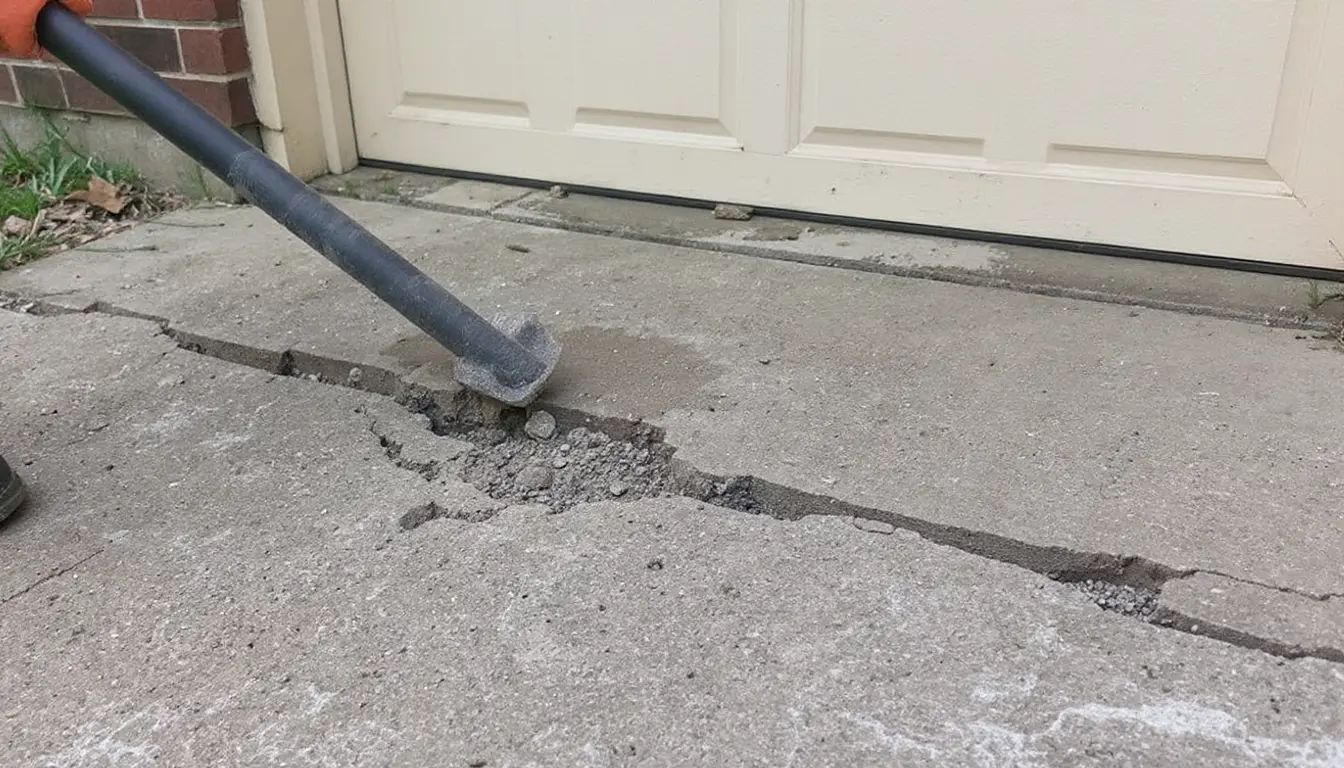
Repairing concrete in Greenwood begins with one call: is the crack active or dormant? A dormant crack has stopped opening and can be cleaned and sealed. An active crack is still working with the season and needs the movement addressed, not just hidden. Get that wrong on Jackson County's Wymore clay and the repair fails by the next spring.
Greenwood's homes — 1990s-through-2010s subdivisions plus a historic downtown core — sit on expansive clay that swells wet and shrinks dry across the year. That movement is what reopens a sealed crack, so before we quote anything, we determine which cracks are done moving and which aren't. Our soil conditions guide explains why this clay dictates the repair.
How we tell an active crack from a dormant one
You can't always tell by looking. We check the crack's edges, whether it's opened wider than it was, and how it lines up with the slab's joints and the ground beneath. A crack that traces a control joint or an old cold joint is often dormant — the slab relieved its stress there and settled. A crack wandering across the middle of a panel, with fresh clean edges, is usually still active.
Where it matters, we watch it across a wetting-drying swing before committing to a permanent fix. That patience is the difference between a repair that lasts and one that reopens — the same discipline we bring on the Wymore clay in nearby Lee's Summit and Grandview.
Sealing a dormant crack the right way
When a crack has stopped moving, the goal is simple: keep water out of the base and stop it from spreading. We rout the crack to a clean profile, remove loose material down to a sound substrate, and fill it with a material matched to the slab so it bonds instead of sitting on top.
Done right, a dormant-crack repair is nearly invisible and keeps freeze-thaw water from getting underneath and undermining the panel. Done as a smear over a dusty surface, it lifts out in a season. The prep is the whole job.
When the crack is active: fixing the movement, not the symptom
An active crack means something below is still moving — usually the clay, sometimes a soft or washed-out spot in the base. Filling it changes nothing; the slab keeps working and re-cracks alongside the repair. So we go after the cause: where the base has softened, we open the section, rebuild and compact the substrate, and restore support so the movement stops.
On Greenwood's rolling lots, that movement is often tied to water. Runoff on a sloped yard concentrates against a slab, softens the ground beneath one side, and keeps the crack alive. Fixing it means managing the drainage as part of the repair, not after it.
Rolling lots, retaining grades, and cracks that follow the slope
Much of Greenwood sits on rolling terrain, and grade changes put slabs under stress from the side as well as below. A driveway or walk on a slope can crack where the ground pulls downhill, or where a low retaining grade lets soil creep. Those cracks are frequently active until the grade is stabilized.
We look at the whole picture — the slab, the slope above and below it, and where water goes — because on a hillside lot the concrete is only half the problem. Stabilize the grade and control the runoff, and the repair holds; ignore them, and it won't.
Surface scaling vs. a structural crack — don't confuse the two
Not everything that looks alarming is structural. Winter deicer and 40-odd freeze-thaw cycles a year flake the top surface — that's scaling, cosmetic until it isn't. A structural crack goes through the slab and moves with load or clay. The repairs are nothing alike, and quoting one as the other wastes your money.
We separate them on the first visit. Scaling gets the surface rebuilt where the concrete below is sound; a moving structural crack gets the base and movement addressed. Where scaling has reached reinforcement and started delamination, we check how far it's gone before deciding the panel's future.
What a Greenwood crack repair costs to get right
Cost follows the diagnosis. A handful of dormant cracks sealed properly is inexpensive and buys years. A network of active cracks over a softened base is a bigger job, because the fix is the base, not the crack. The mistake is paying dormant-crack prices for an active-crack problem and watching it reopen.
We tell you which you have before any work, so you're deciding with facts. KC-metro property owners rate Ford Concrete 4.9 stars across 29 reviews — read them on our reviews page, or see finished repairs in the gallery.
Wondering if that Greenwood crack is serious?
From call to concrete — the fastest in KC.
We'll tell you whether it's still moving and exactly what it needs — a proper seal or a real fix for what's underneath. No upsell, straight answer, usually within 24 hours. Call (816) 721-1699.
What makes a Greenwood Concrete Repair job different
Read the crack
Find what's moving
Repair to the diagnosis
Protect against the next season
Is your Greenwood Concrete Repair failing?
A crack that reopens every spring
A hairline that hasn't changed in years
Cracks on a sloped or graded lot
Flaking that looks worse each winter
A crack following the driveway joints
The Ford difference on Greenwood Concrete Repair
We diagnose before we quote
Active or dormant is the whole question. We answer it first, because the two cracks need completely different repairs.
We fix the cause, not the line
An active crack means something is still moving. We stop the movement — clay, base, or drainage — instead of just filling the gap.
Drainage is part of the repair
On Greenwood's rolling lots, runoff keeps cracks alive. We manage the water so the fix actually lasts through the next season.
Rated 4.9 across the metro
KC-metro property owners give Ford Concrete 4.9 stars across 29 reviews. Straight answers and callbacks are why.
Commercial work behind our Greenwood crews
From your driveway to an Amazon warehouse — the same crew, the same standards, every project.
Taco Bell
New Construction
Overland Park, KS
Domino's Pizza
New Construction
Independence, MO
Freddy's
New Construction
Kansas City
Tidal Wave Car Wash
New Construction
Kansas City
Amazon
New Construction
Riverside, MO
Nortian Food Grade Protein Facility
New Construction
Springfield, MO
Book your Greenwood Concrete Repair estimate
Or call us directly: (816) 721-1699
Concrete Repair in Greenwood — FAQs
How do you know if a crack is active or dormant?
I sealed a crack last year and it came back — why?
Are cracks on my sloped lot more serious?
Is the flaking on my driveway the same as a crack?
Do I need a permit for concrete repair in Greenwood?
Related concrete services in Greenwood
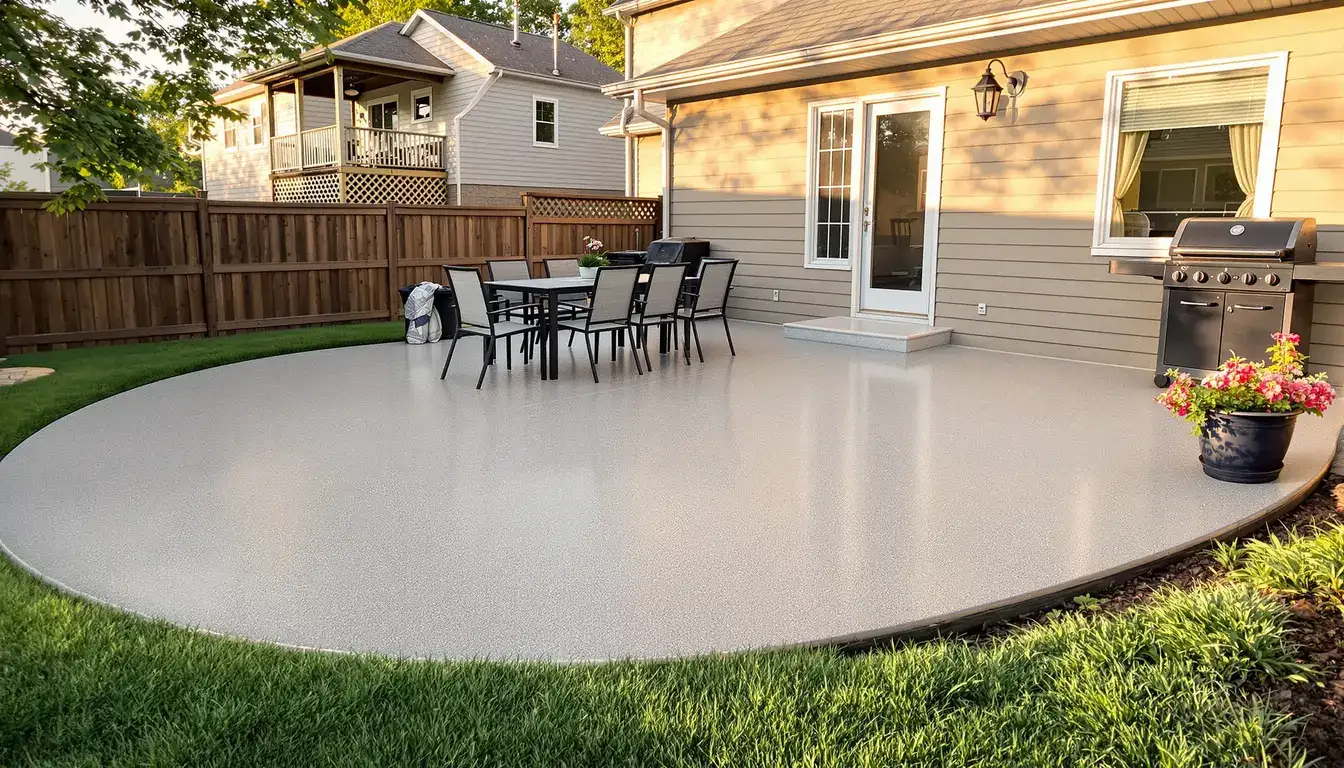
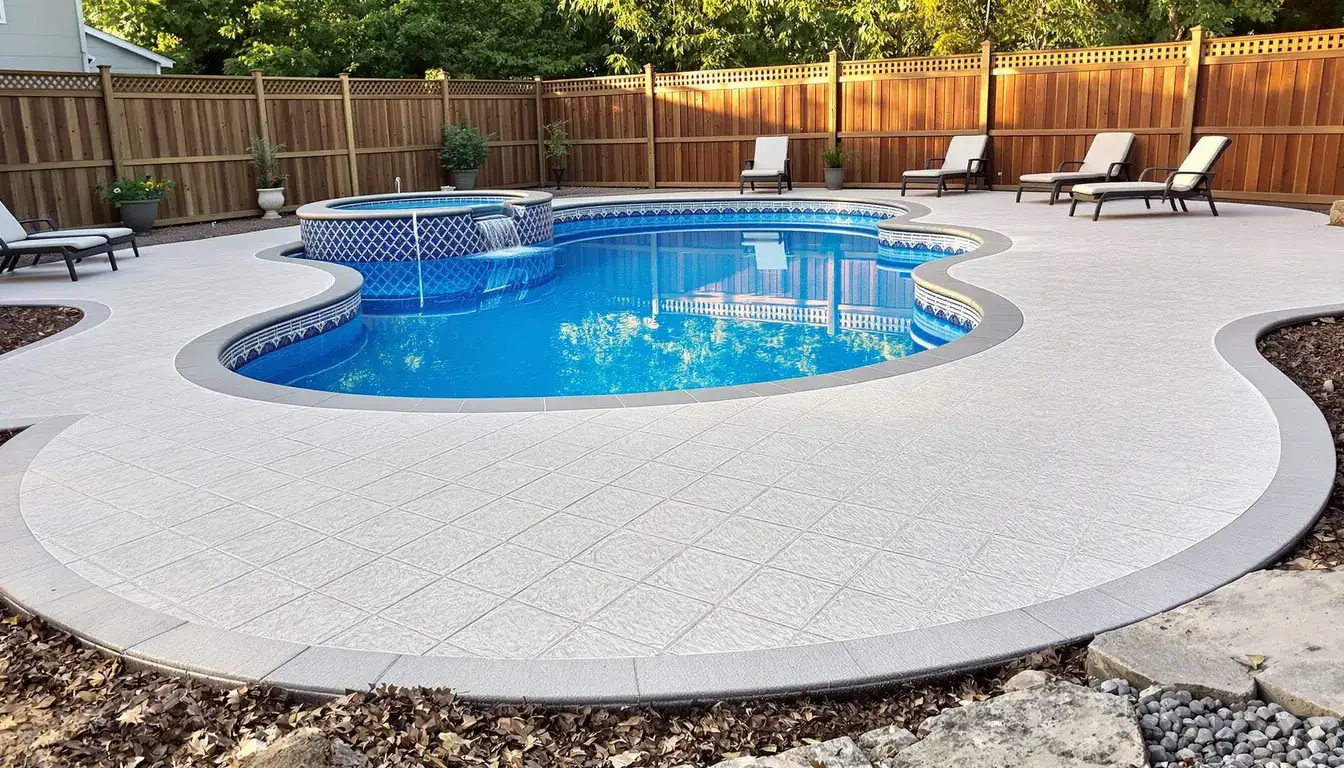
Nearby Greenwood-area projects
Let's build your Greenwood Concrete Repair
From call to concrete — the fastest in KC.
Get a free, no-obligation estimate for your concrete project. We serve the entire Kansas City metro — call (816) 721-1699 or request your estimate online.