Concrete Overlays & Resurfacing Kansas City
Professional Concrete Resurfacing Throughout the Kansas City Metro
Concrete Overlays & Resurfacing in Kansas City
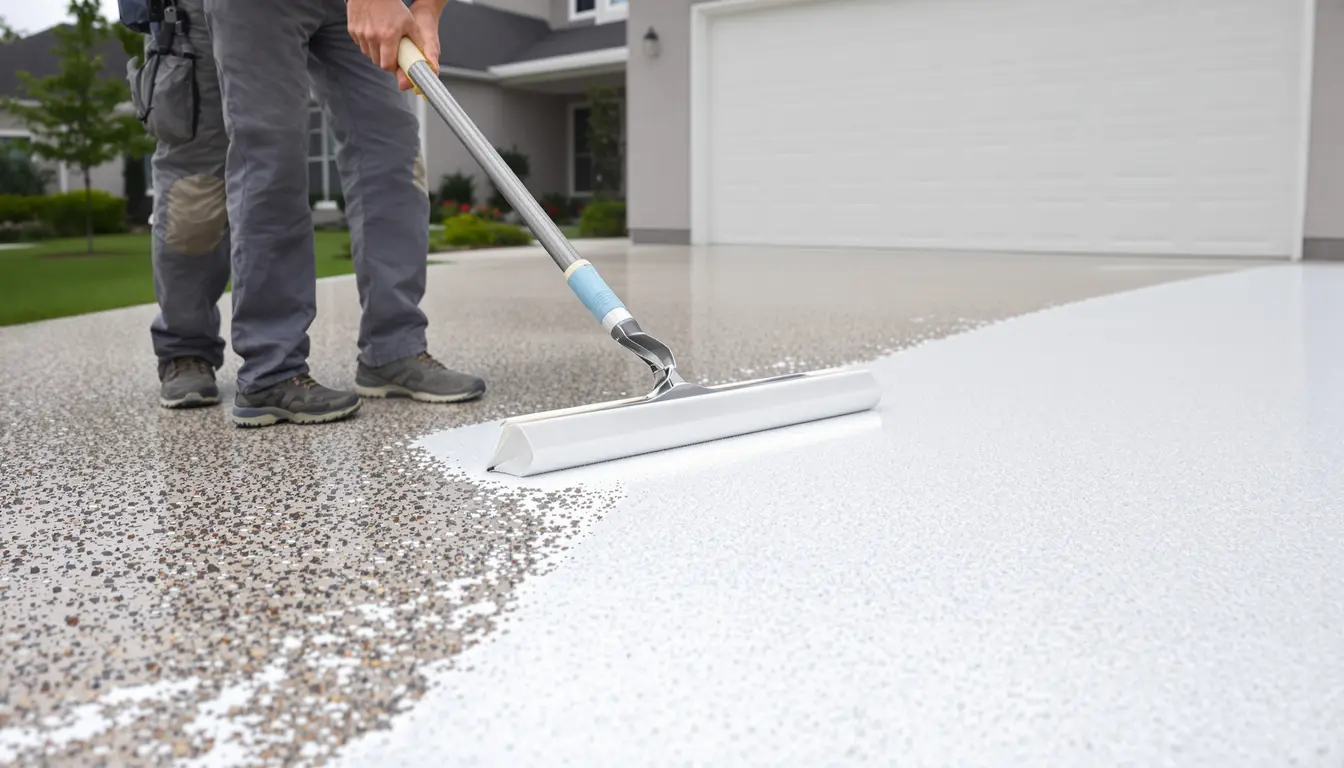
Concrete overlay and resurfacing solutions that restore and transform existing concrete surfaces without full replacement.
We serve both residential and commercial clients — from homeowners upgrading their property to general contractors building national brands. The same standards apply to every project.
Professional Concrete Resurfacing Throughout the Kansas City Metro
When existing concrete surfaces show wear, damage, or aesthetic decline across the Kansas City metro, complete replacement isn't always necessary. Ford Concrete Construction provides comprehensive concrete overlay and resurfacing solutions that restore functionality and appearance at a fraction of replacement costs. Serving Jackson, Johnson, Wyandotte, Clay, and Platte counties, concrete resurfacing contractors in Kansas City must understand the unique challenges posed by Wymore series expansive clay soils and the region's 35-40 freeze-thaw cycles annually.
The Kansas City metro's diverse soil conditions—from Jackson County's expansive clay to Johnson County's clay-loam composition—create varying settlement patterns and moisture-related movement that impact concrete surfaces over time. Professional concrete overlay applications provide engineered solutions that accommodate these regional challenges while extending surface life by 15-20 years. From commercial projects like Amazon's Riverside facility to residential driveway resurfacing in Overland Park, proper surface preparation and material selection ensure long-term performance across the metro's varying terrain.
Concrete Overlay Systems for Metro Area Applications
Concrete overlay systems utilize polymer-modified cement materials ranging from 1/4-inch micro-toppings to 2-inch structural overlays, depending on substrate conditions and load requirements. In the Kansas City metro, overlay thickness typically ranges from 3/8-inch for decorative applications to 1.5 inches for driveway resurfacing projects experiencing heavy vehicle loads. Compressive strengths of 4,000-6,000 PSI provide adequate structural capacity while air entrainment levels of 5-7% ensure freeze-thaw durability critical to the region's climate.
Polymer modification improves bond strength to existing concrete substrates, achieving pull-off strengths exceeding 250 PSI when properly applied. This bonding capacity proves essential across the metro's expansive clay soils, where seasonal moisture variations create differential movement between existing slabs and new overlay materials. Projects completed at commercial facilities including Taco Bell locations in Overland Park and Domino's in Independence demonstrate overlay performance under high-traffic conditions typical of Kansas City area applications.
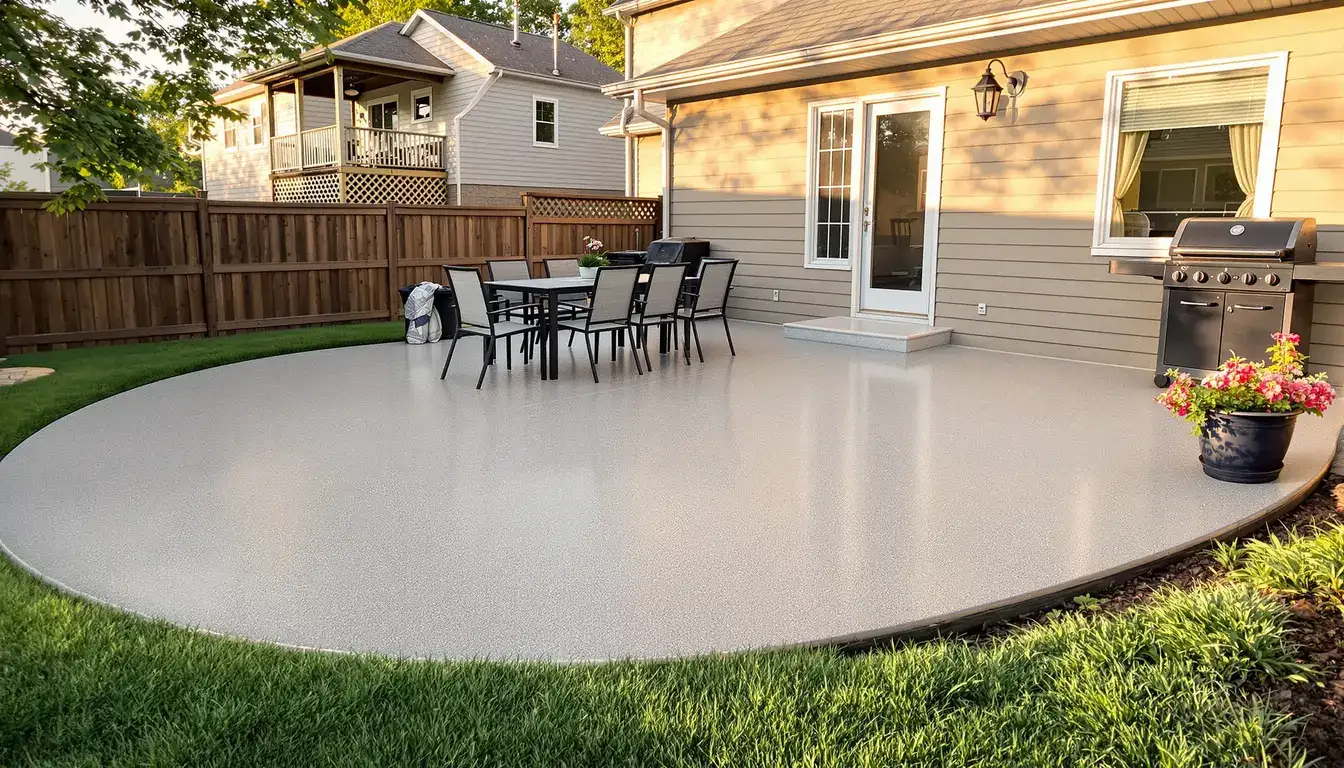
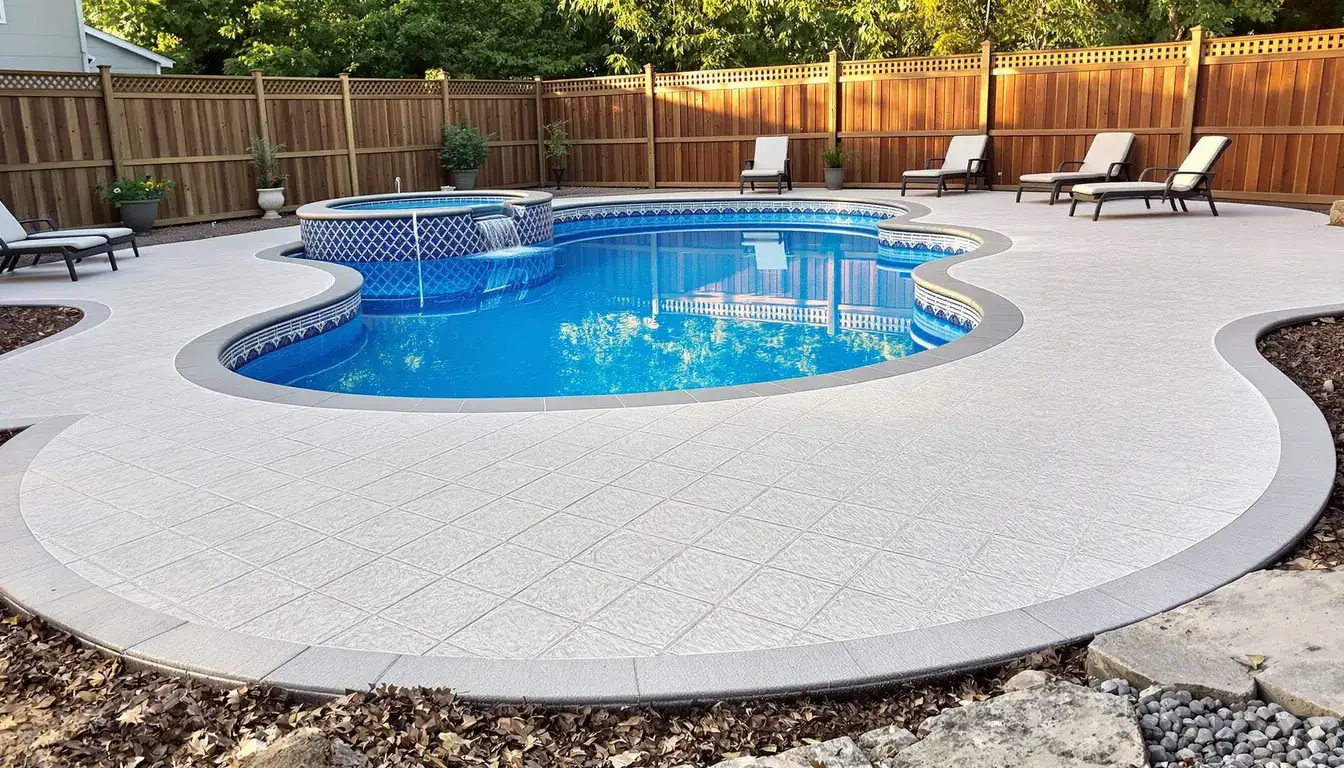
Decorative overlay options include stamped patterns, exposed aggregate finishes, and integral color systems that provide aesthetic enhancement beyond basic resurfacing. Stamped concrete overlays can replicate stone, brick, or tile patterns while maintaining the structural benefits of concrete substrates. Color integration utilizes iron oxide pigments that resist fading under Kansas City's average 39-42 inches of annual precipitation and UV exposure.
Driveway Resurfacing Across Kansas City Counties
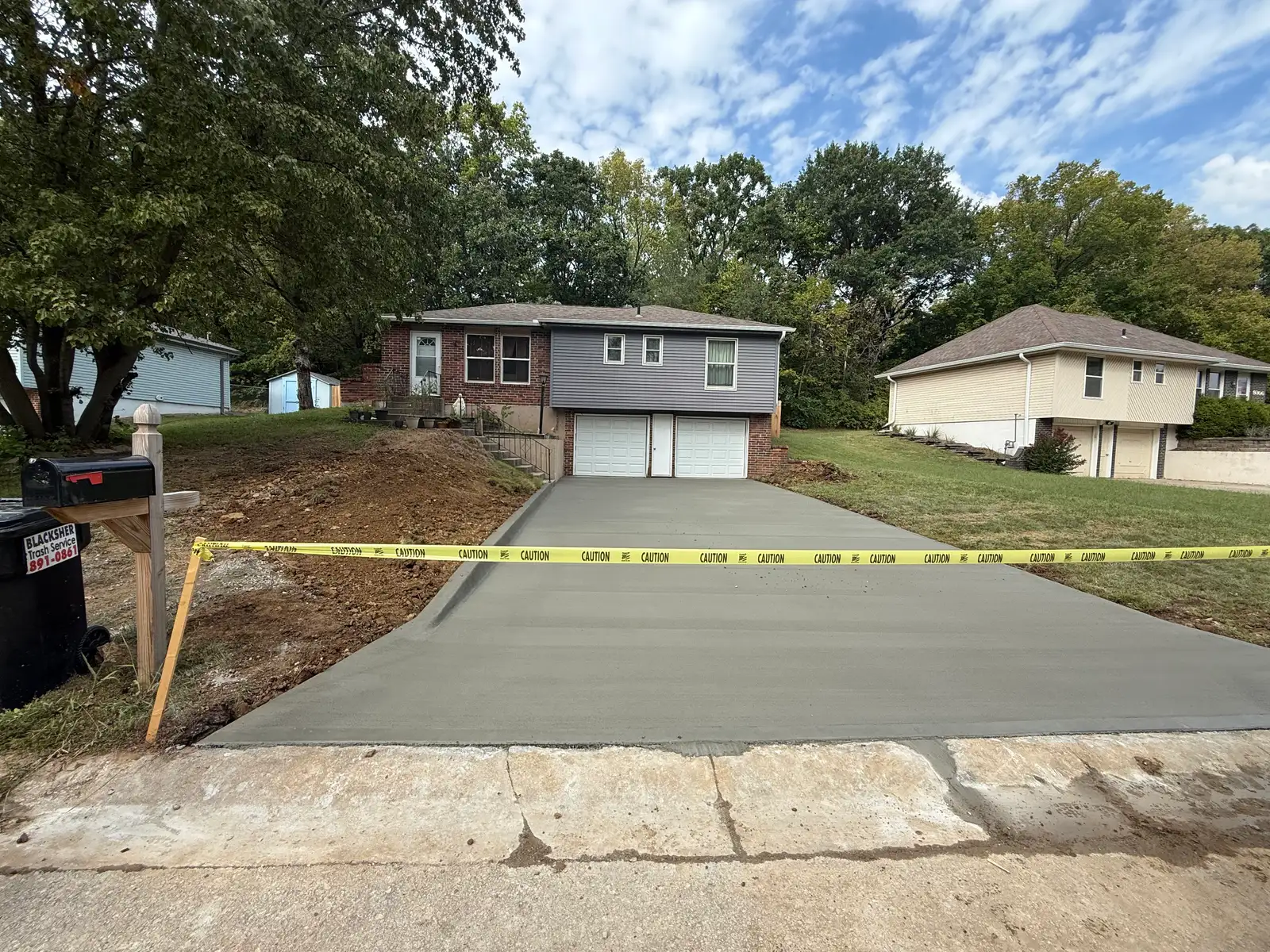
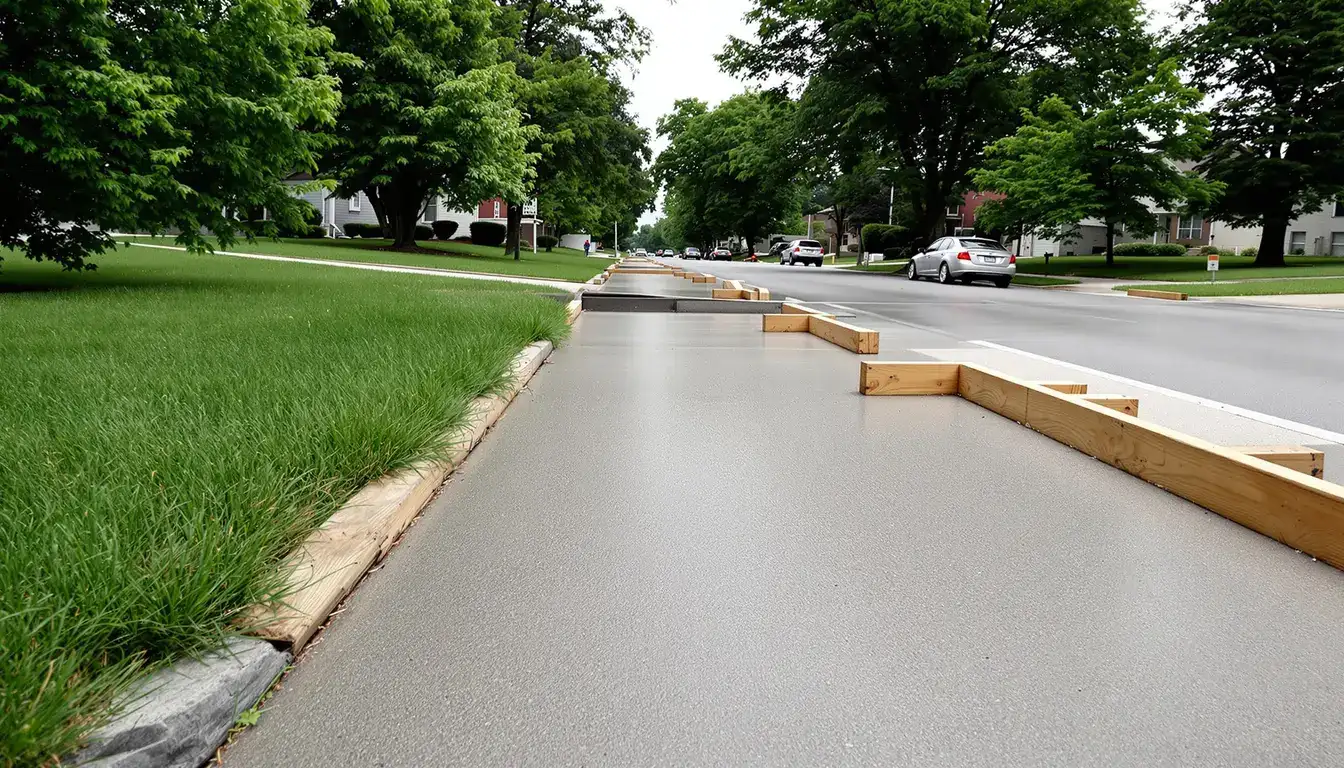
Driveway resurfacing addresses surface deterioration while maintaining existing substrate integrity and drainage patterns established during original construction. Across Johnson County's rolling terrain and Jackson County's flatter topography, proper slope maintenance during resurfacing prevents water ponding that accelerates freeze-thaw damage. Overlay applications typically add 3/8-inch to 3/4-inch thickness, requiring careful attention to transitions at garage floors, sidewalk connections, and street approaches.
The region's frost depth of 34-36 inches influences overlay specifications, particularly regarding joint placement and reinforcement integration. Fiber reinforcement using polypropylene or steel fibers at 1-2 pounds per cubic yard reduces shrinkage cracking during curing. Control joint spacing follows ACI guidelines of 24-30 times overlay thickness, with joints cut to 25% of overlay depth within 12-24 hours of placement depending on ambient conditions.
Residential driveway projects across Overland Park, Independence, and Kansas City proper demonstrate overlay durability when properly engineered for local conditions. Surface preparation includes mechanical scarification to achieve concrete surface profile (CSP) ratings of 3-5, ensuring mechanical bond development. Substrate repair addresses existing cracks exceeding 1/8-inch width and spalled areas that could telegraph through overlay materials.
Advanced Resurfacing Techniques for Kansas City Concrete Resurfacing Contractors
Professional concrete resurfacing contractors in Kansas City utilize advanced placement and finishing techniques that accommodate the metro area's challenging environmental conditions. Spray-applied overlays provide uniform thickness control and superior substrate penetration compared to hand-applied methods, particularly important when resurfacing large commercial areas like those completed at Freddy's and Tidal Wave locations. Application rates of 150-200 square feet per hour ensure proper material consistency while allowing adequate working time for finishing operations.
Temperature and humidity control during placement proves critical given Kansas City's variable weather patterns. Overlay materials require ambient temperatures between 40-90°F during application and initial curing, with relative humidity levels below 85% to prevent surface moisture interference. Curing compounds applied at 150-200 square feet per gallon maintain proper hydration rates while preventing rapid surface drying that leads to shrinkage cracking.
Quality control measures include regular slump testing of overlay materials, thickness verification using wet film gauges, and bond strength testing on representative areas. Concrete repair procedures address substrate defects prior to overlay application, ensuring uniform surface conditions that promote consistent bond development across the entire resurfacing area.
Commercial and Industrial Overlay Applications
Large-scale commercial overlay projects require specialized equipment and logistics coordination, as demonstrated in Ford Concrete Construction's work at Amazon's Riverside facility and multiple restaurant locations throughout the metro. Industrial overlays typically specify higher compressive strengths of 5,000-7,000 PSI and incorporate aggregate gradations optimized for heavy vehicle traffic and frequent loading cycles. Overlay thickness ranges from 1-2 inches depending on existing substrate conditions and anticipated load requirements.
Fast-track overlay systems accommodate business operations that cannot tolerate extended closure periods. Rapid-setting polymer-modified materials achieve initial set within 2-4 hours and accept foot traffic within 6-8 hours, while full vehicular loads require 24-48 hours depending on thickness and ambient conditions. These accelerated schedules prove essential for retail and restaurant applications where revenue interruption must be minimized.
Surface texturing for commercial applications balances slip resistance with maintenance requirements. Broom finishes provide adequate traction for pedestrian areas while maintaining cleanability for food service applications. Concrete driveway approaches to commercial facilities require careful coordination with public right-of-way improvements and ADA compliance standards throughout the Kansas City metro area.
Commercial Concrete Resurfacing
Aging parking garage decks, warehouse floor rehabilitation, retail floor makeovers, loading dock resurfacing, and hotel lobby refreshes all come down to equipment and crew capacity — grinders, shot blasters, mixers, and finishers staged so the property can reopen on schedule. Ford Concrete owns the equipment and runs the trained operators needed to resurface large commercial footprints in a single mobilization. Property managers handling retail and commercial concrete portfolios get a resurfacing partner who can phase work around business hours and keep tenants operating. Call (816) 721-1699 to scope your resurfacing project. For commercial buildings where overlay work sits on top of engineered substructures, Ford provides complete solutions including commercial foundation assessment and repair to ensure the overlay system performs long-term.
Transform Your Concrete Surfaces
From call to concrete — the fastest in KC.
Ford Concrete Construction brings proven overlay expertise from major commercial projects to residential applications throughout the Kansas City metro. Call (816) 721-1699 to discuss your concrete resurfacing project and receive detailed specifications tailored to your specific site conditions.
How We Handle Concrete Overlays & Resurfacing in Kansas City
Surface Evaluation
Comprehensive assessment of existing concrete including core sampling for strength testing, bond testing, and evaluation of substrate conditions to determine appropriate overlay specifications.
Substrate Preparation
Mechanical scarification using shot blasting or grinding to achieve CSP 3-5 surface profile, followed by crack repair and spall patching to create uniform substrate conditions.
Surface Cleaning
Thorough cleaning using pressure washing and degreasing agents to remove all contaminants, followed by moisture testing to ensure proper substrate conditions for overlay bonding.
Primer Application
Application of bonding agents or epoxy primers when specified, ensuring proper substrate penetration and achieving required bond strength for long-term overlay performance.
Overlay Placement
Precise material mixing and placement using spray application or hand placement methods, maintaining specified thickness tolerances and working within material open times.
Finishing Operations
Surface finishing including float work, texturing, and decorative treatments as specified, followed by control joint cutting and edge detail completion.
Curing and Protection
Application of curing compounds and surface protection, implementing proper curing procedures to achieve specified strength development and long-term durability characteristics.
Signs You Need Concrete Overlays & Resurfacing
Surface Scaling
Concrete surface deterioration where the top layer flakes or peels off, often caused by freeze-thaw cycles and inadequate air entrainment in original concrete placement.
Network Cracking
Interconnected crack patterns across concrete surfaces indicating substrate movement, typically resulting from expansive clay soil conditions common throughout Jackson County.
Spalling Around Joints
Concrete deterioration along control joints and construction joints where water infiltration and freeze-thaw action cause progressive material loss and structural weakness.
Surface Dusting
Powdery residue on concrete surfaces indicating weak surface paste, often caused by improper curing, carbonation, or wear from traffic and weather exposure over time.
Settlement Cracking
Cracks following substrate settlement patterns, particularly common in Kansas City metro areas with expansive clay soils that experience seasonal moisture-related movement.
Discoloration and Staining
Surface discoloration from oil stains, rust, efflorescence, or organic growth that affects appearance and may indicate underlying moisture or drainage issues requiring correction.
Why Kansas City Chooses Ford Concrete
Regional Expertise
Understanding Kansas City's expansive clay soils and freeze-thaw cycles ensures overlay specifications accommodate local environmental challenges while maximizing service life across Jackson, Johnson, and surrounding counties.
Proven Commercial Experience
Completed overlay projects at Amazon Riverside, multiple restaurant chains, and retail facilities demonstrate capability to handle complex commercial applications with demanding performance requirements.
Advanced Material Systems
Polymer-modified overlay materials achieving 4,000-6,000 PSI compressive strength with proper air entrainment provide superior durability compared to basic cement-based resurfacing products.
Quality Control Standards
Systematic surface preparation achieving CSP 3-5 ratings, bond strength testing, and thickness verification ensure consistent overlay performance across varying substrate conditions throughout the metro area.
Trusted by National Brands
From your driveway to an Amazon warehouse — the same crew, the same standards, every project.
Taco Bell
New Construction
Overland Park, KS
Domino's Pizza
New Construction
Independence, MO
Freddy's
New Construction
Kansas City
Tidal Wave Car Wash
New Construction
Kansas City
Amazon
New Construction
Riverside, MO
Nortian Food Grade Protein Facility
New Construction
Springfield, MO
Get Your Free Concrete Overlays & Resurfacing Estimate in Kansas City
Or call us directly: (816) 721-1699
Concrete Overlays & Resurfacing in Kansas City — FAQs
How thick should concrete overlays be for Kansas City climate conditions?
Can concrete overlays bond properly to existing surfaces on expansive clay soils?
What is the typical lifespan of concrete overlays in the Kansas City metro area?
How soon can overlays be used after installation in Kansas City weather?
Do overlays require special maintenance in Kansas City's climate?
What surface preparation is required before overlay application?
Ready to Get Started?
From call to concrete — the fastest in KC.
Get a free, no-obligation estimate for your concrete project. We serve the entire Kansas City metro — call (816) 721-1699 or request your estimate online.