
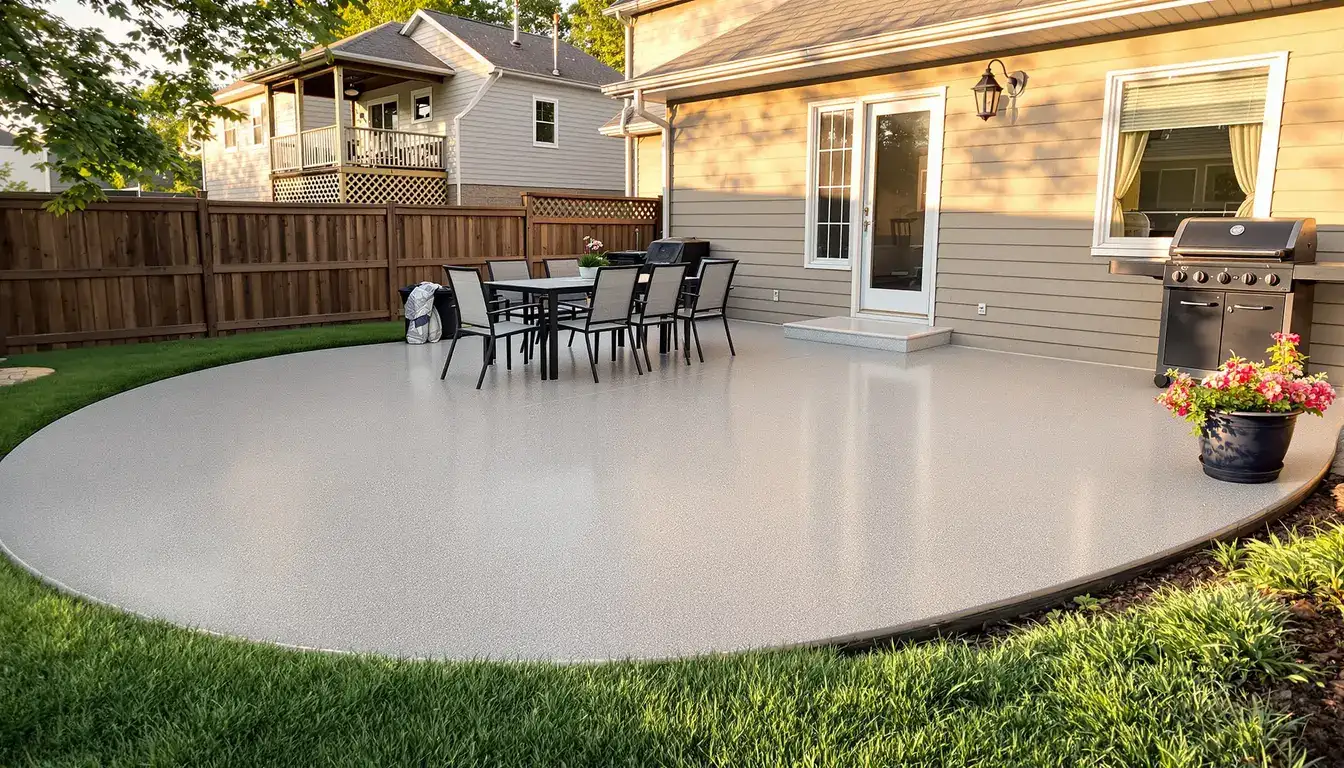
Concrete Patios & Outdoor Spaces in Prairie Village, KS
Concrete patios for Prairie Village — the post-war streets from Corinth to Mission Road
Concrete Patios & Outdoor Spaces in Prairie Village
Custom concrete patio design and installation for backyards, outdoor living areas, and commercial courtyards. Ford Concrete serves Prairie Village, KS and the entire Kansas City metro with more than a decade of experience and a 5-star reputation.
Prairie Village at a Glance
- Population
- 22,919
- State
- Kansas
- County
- Johnson County
- Schools
- Shawnee Mission Public Schools (USD 512)
Why drainage is the whole job on Prairie Village's flat lots
On Prairie Village's flat, settled lots a patio lives or dies on drainage. A slab poured level here holds water against the house and against its own edges, so the fix is deliberate grade: we set the finished surface just below the door threshold elevation and pitch it a quarter-inch per foot for positive drainage toward the yard. Get that pitch right on flat ground and the patio sheds every storm instead of ponding.
Prairie Village is one of the oldest suburbs in Johnson County — many homes date to the late 1940s and 1950s, from Corinth over to Mission Road. Decades of settling have flattened whatever slope the original builder set, which is why so many post-war patios now tip runoff back toward the basement. When we replace one, resetting that grade is the first thing we solve, not the last. If your slab is sound but sits wrong, our resurfacing can only do so much — a true drainage fix means resetting the base.
Replacing 65-to-80-year-old post-war patios
The original patios behind Prairie Village's Cape Cods and ranches are now 65 to 80 years old — well past any concrete's design life. The signs are unmistakable: a surface scaled and flaked from decades of freeze-thaw, panels that rock, and a slope that has gone flat or backward. On these high-value, pride-of-ownership blocks, a tired patio drags down a house that is otherwise immaculate, and a rebuild is usually the right call over patching.
Replacement is also the chance to fix what post-war construction never included: a real compacted base and a joint plan. We pull the old slab, dig out the disturbed and organic fill underneath, compact fresh base in lifts, and pour 4,000-PSI concrete tied together with contraction joints. Ford does the same patio work on neighboring streets in Leawood and Overland Park, so the crew knows this north-Johnson-County ground well.
Why post-war patios crack and what stops it
Two things crack these older patios. First, the inside corners: a patio wrapped around a back stoop or bay has a re-entrant corner that pulls stress from two directions, and the original slabs had no joint running out of that notch. Second, mature tree roots — Prairie Village's canopy is decades old, and a root under a thin slab lifts it. Kansas's 34-to-36-inch frost line adds freeze-thaw pressure that finds every weak point.
The rebuild answers all three. We run a contraction joint out of every re-entrant corner, keep panels roughly square so none is left to see-saw, manage any offending roots, and add a barrier at the edge nearest a trunk. The result is a patio that cracks where we planned — at the joints, invisibly — instead of across the middle. Our walkway work gets the same root treatment, since front walks heave first.
What a lasting patio needs on north Johnson County clay-loam
Prairie Village sits on well-documented Johnson County clay-loam that decades of development have compacted and settled into a predictable, persistent challenge. A patio that lasts needs the soft upper soil removed, the base compacted in lifts, and the slab isolated from the house so the two move independently. We keep the pour four inches thick and thicken any edge that will carry a step, a bench, or a grill.
Because nearly every Prairie Village patio is a replacement, the base is where we spend the time — rebuilding the support the original 1950s slab never had. An isolation joint at the house edge keeps foundation movement from telegraphing a crack across the new pour. See finished patios on our project gallery before you decide on a finish.
Do you need a permit for a patio in Prairie Village?
Prairie Village requires a permit for concrete work through the Building department, and the city is particular about maintaining neighborhood character, so inspections are attentive. A same-footprint replacement is straightforward; a new patio, an enclosure, or a drainage change needs the permit and inspection, which we pull and schedule so the job passes clean. Kansas stormwater runs through KDHE, not Missouri's MoDNR.
We handle the paperwork as part of the job. If you are planning more than a patio, our Prairie Village services page lays out patios, driveways, and walkways together, and the patio service page shows the finishes available. Call (816) 721-1699 for a written estimate after a site visit, usually within 24 hours.
Ready to fix your Prairie Village patio?
From call to concrete — the fastest in KC.
On a flat Prairie Village lot, a patio that ponds water only gets worse until the grade is reset. Ford rebuilds the base, pitches the slab to drain, and pours concrete that fits these post-war blocks — then hands you a written number. Call (816) 721-1699 for a site visit, usually within 24 hours.
How we build Concrete Patios & Outdoor Spaces that lasts in Prairie Village
Read the grade and the age
We check how water sits on your flat Prairie Village lot, read the settled clay-loam, and confirm whether a 65-to-80-year-old slab is worth rebuilding.
Tear out the old slab
The failed post-war concrete comes out and off-site, and we cut back any tree roots that lifted it.
Rebuild and compact the base
Disturbed and organic fill comes out; the base goes in compacted in lifts, giving the new slab the support the 1950s pour never had.
Reset the grade and isolate
Forms set the drainage fall below the door threshold for positive drainage, with an isolation joint at the house edge.
Pour 4,000-PSI concrete
We place and finish a four-inch slab in a broom or stamped finish that suits the post-war home, thickened where it carries a step or bench.
Cut the joints on time
Contraction joints are cut early and run out of every re-entrant corner so the concrete cracks at the joints, not across the middle.
Seal, cure, and walk it with you
We seal against scaling, cure the slab, clean the site, and show you how to protect the new patio through its first winter.
When Concrete Patios & Outdoor Spaces in Prairie Village is ready to replace
Water pooling on the slab
Standing water hours after rain on a flat Prairie Village lot means the grade has settled flat or backward — the most common post-war patio problem here.
Deep scaling and flaking
A surface shedding in sheets after 70-plus winters is freeze-thaw damage that has run its full course. A rebuild is the honest fix.
A crack out of an inside corner
A crack off the notch of a wrapped patio means the re-entrant corner never had a joint to relieve it — standard on original slabs.
A slab lifting on a root
Prairie Village's mature canopy sends roots under thin patios and lifts them. Once one panel tips, the rest follow.
Panels that rock
Slabs that see-saw underfoot have lost their base support after decades of settling under a slab that was never compacted properly.
A gap at the house
A widening seam where the patio meets the house shows the original slab was never isolated from the foundation.
Why Prairie Village homeowners call Ford
We reset the grade on flat lots
Prairie Village's flat, settled lots pond water against the house. We set the new slab below the door threshold and pitch it a quarter-inch per foot, so a flat lot still sheds every storm.
We respect post-war character
On these 1940s and 1950s blocks the patio has to fit the house. We keep proportions and finishes in step with the neighborhood the city works to protect.
The base gets rebuilt right
Post-war slabs were poured on ground that was never properly compacted. We dig out the soft fill and rebuild the base in lifts, so a 75-year-old problem does not repeat.
4.9 stars, 29 Google reviews
Prairie Village and KC-metro homeowners rate Ford 4.9 on Google across 29 reviews, and you get one accountable team from estimate to final finish.
Where our Concrete Patios & Outdoor Spaces crews have delivered
From your driveway to an Amazon warehouse — the same crew, the same standards, every project.
Taco Bell
New Construction
Overland Park, KS
Domino's Pizza
New Construction
Independence, MO
Freddy's
New Construction
Kansas City
Tidal Wave Car Wash
New Construction
Kansas City
Amazon
New Construction
Riverside, MO
Nortian Food Grade Protein Facility
New Construction
Springfield, MO
Get your free Concrete Patios & Outdoor Spaces estimate in Prairie Village
Or call us directly: (816) 721-1699
Concrete Patios & Outdoor Spaces in Prairie Village — FAQs
Why does my Prairie Village patio pool water?
Is it worth replacing a 70-year-old patio?
How does Prairie Village's soil affect a patio?
Do I need a permit for a patio in Prairie Village?
Will tree roots crack my new patio too?
How long does a patio rebuild take in Prairie Village?
What else we build in Prairie Village
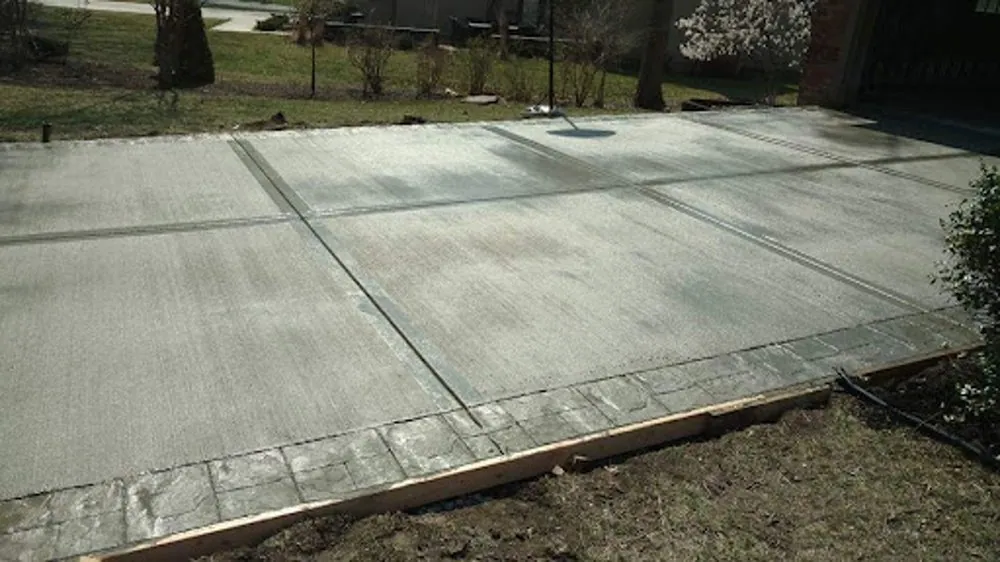
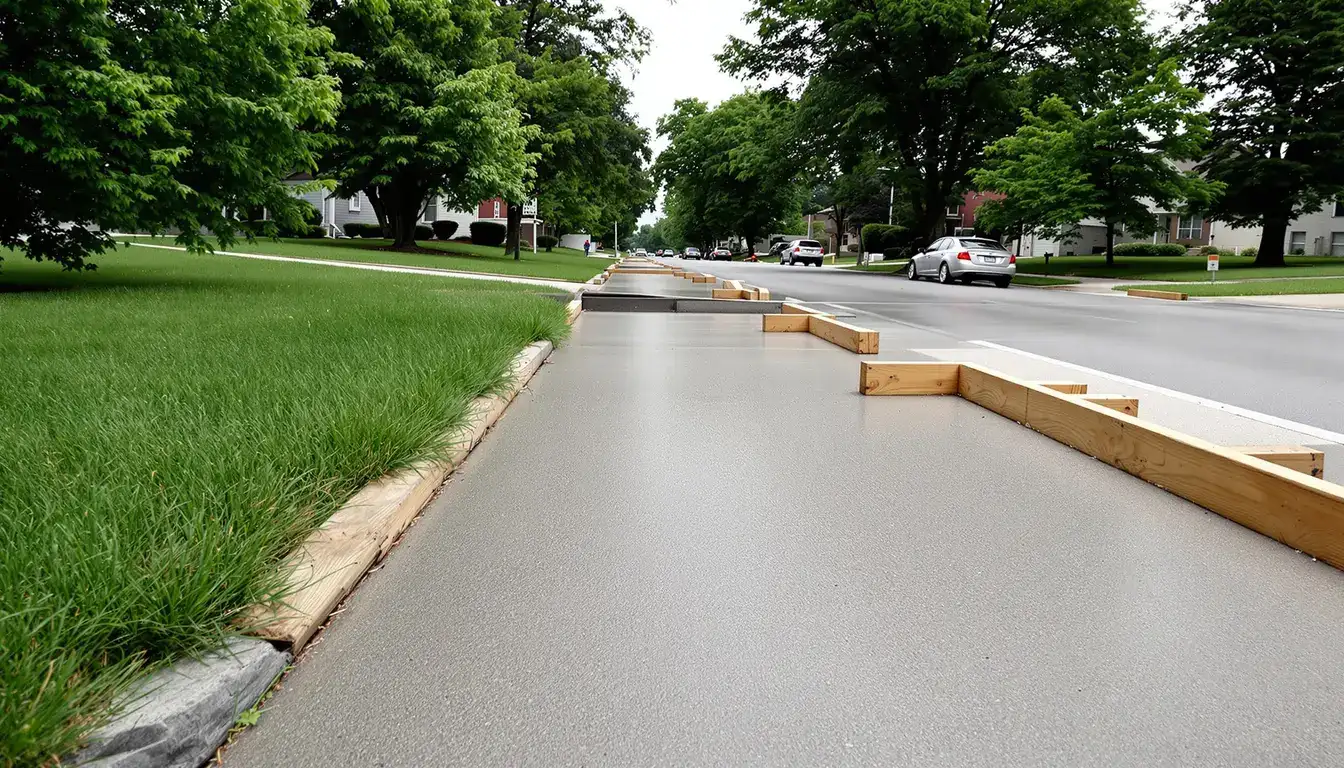
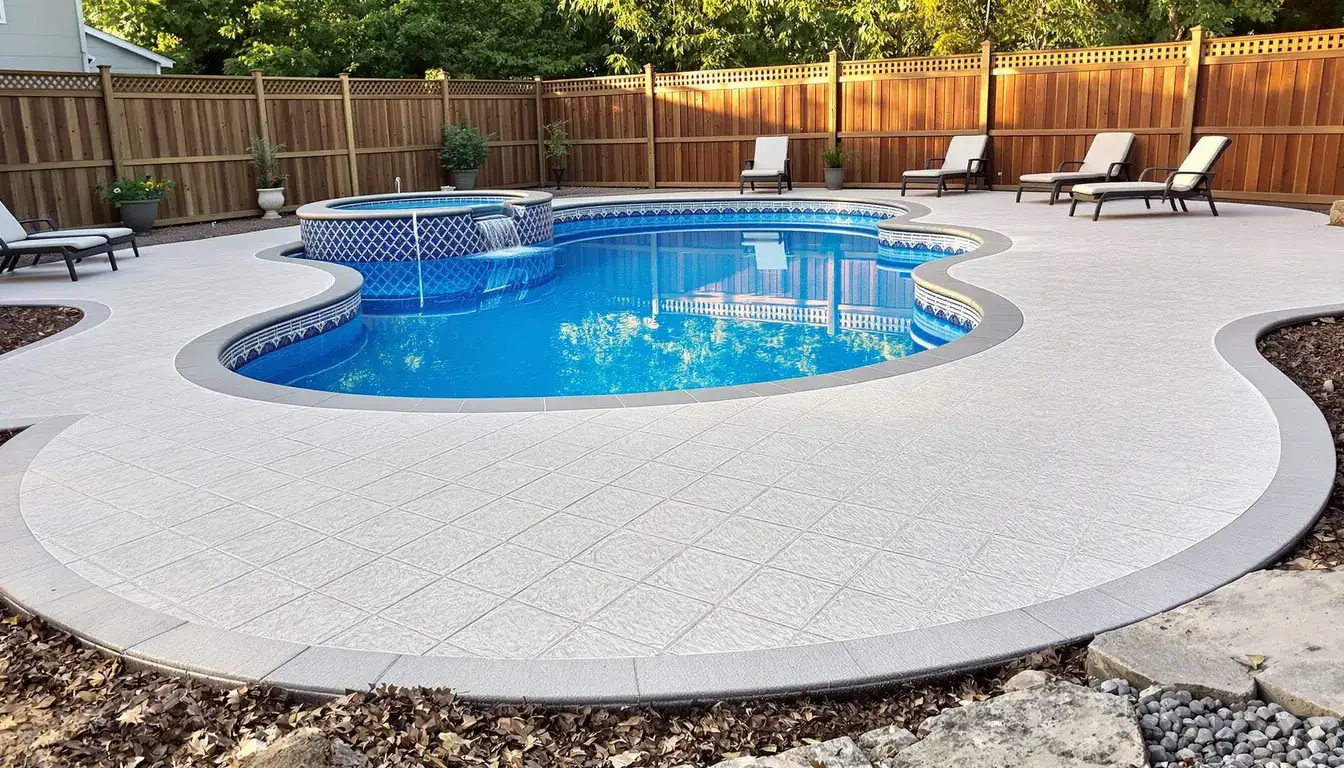
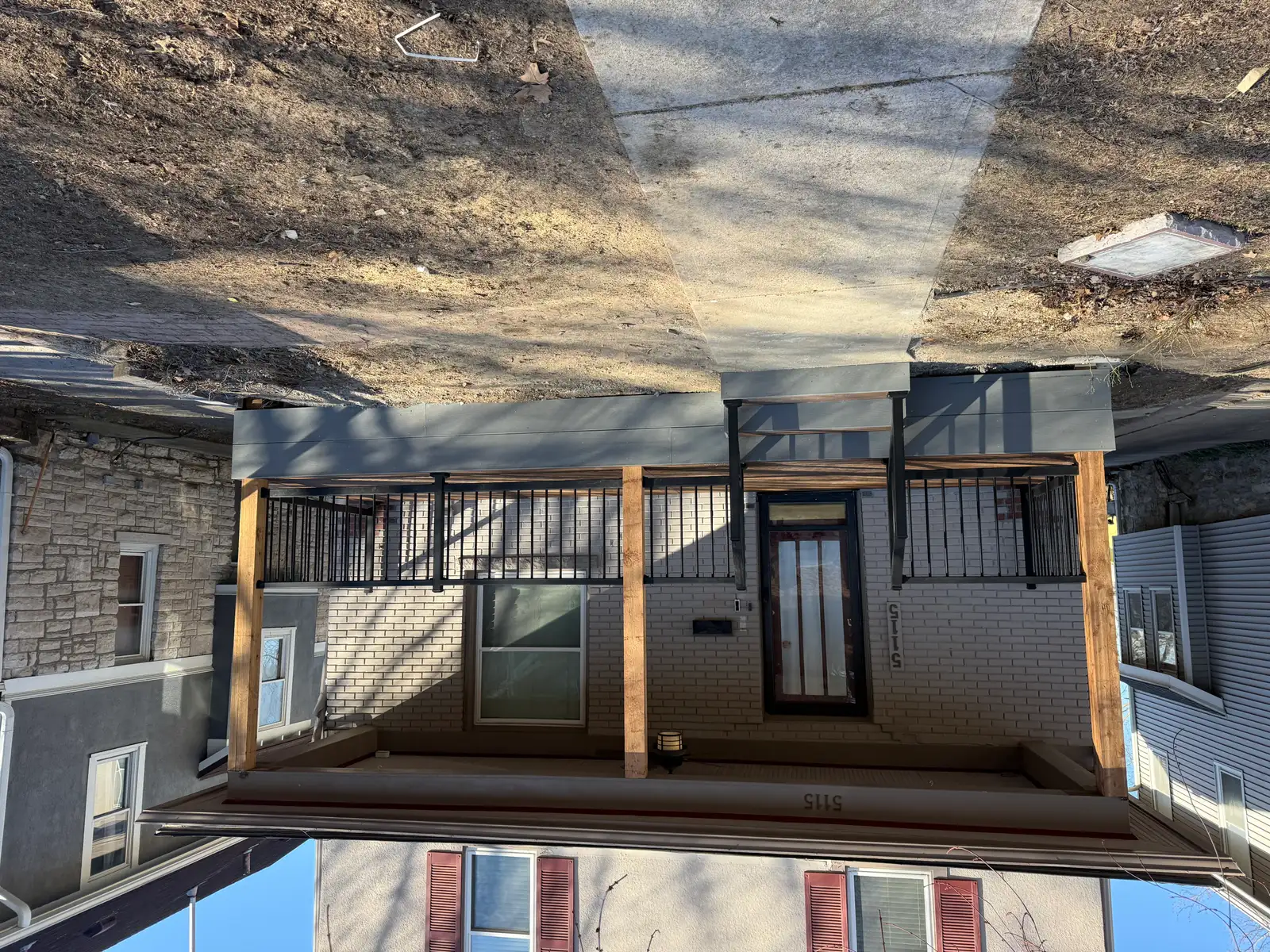
Prairie Village and neighboring communities
Ready to pour in Prairie Village?
From call to concrete — the fastest in KC.
Get a free, no-obligation estimate for your concrete project. We serve the entire Kansas City metro — call (816) 721-1699 or request your estimate online.